
Lech Lecha: From the Nations and Back Again
The Great Reversal from Abraham to Yeshua
When God called Abraham to leave his country, his kindred, and his father’s household, He set in motion a plan that would eventually embrace the entire world. Abraham was called out of the nations and directed toward a particular land where God would establish a covenant people. Yet the promise was never intended to end with Abraham or his descendants. From the beginning, God declared that through Abraham all the families of the earth would be blessed.
Centuries later, Yeshua stood upon a mountain in Galilee and commissioned His disciples to “go” into all the nations. The direction of the journey had been reversed. Abraham had been called from the nations into the land of promise; now his promised Seed was sending His disciples from the land back into the nations.
This reversal continues a pattern that begins with Noah, passes through Babel, and culminates in the restoration of God’s Presence among the nations.
Abraham: A New Beginning
When the floodwaters receded, Noah’s ark came to rest upon the mountains of Ararat, a region associated with ancient Urartu in the northern highlands. Noah emerged into a world devastated by judgment, built an altar, and offered sacrifices to God. He had carried the seed of a renewed humanity through the waters of destruction.
God established His covenant with Noah and commanded his family to be fruitful, multiply, and fill the earth. This renewed the original creation mandate given to Adam and Eve. Humanity was given another “beginning,” but God’s purpose remained unchanged: the earth was to be filled with human beings bearing His image and living under His authority.
Genesis 10 describes the nations descending from Noah’s sons, while Genesis 11 recounts their gathering at Babel. Rather than spreading throughout the earth, humanity concentrated its efforts on building a city and tower reaching toward heaven. Their ambition was clear: “Let us make a name for ourselves.”
In the ancient Near East, monumental temple towers represented the meeting place between heaven and earth. At Babel, humanity attempted to establish its own sacred center, securing unity and power apart from submission to God. The result was the confusion of languages and the scattering of the nations.
Immediately afterward, Genesis traces the genealogy of Shem to Terah and Abraham. The narrative narrows from the nations of the world to one family. God would begin the restoration of the nations by calling one man out from among them.
Lech Lecha: Called Out of the Nations
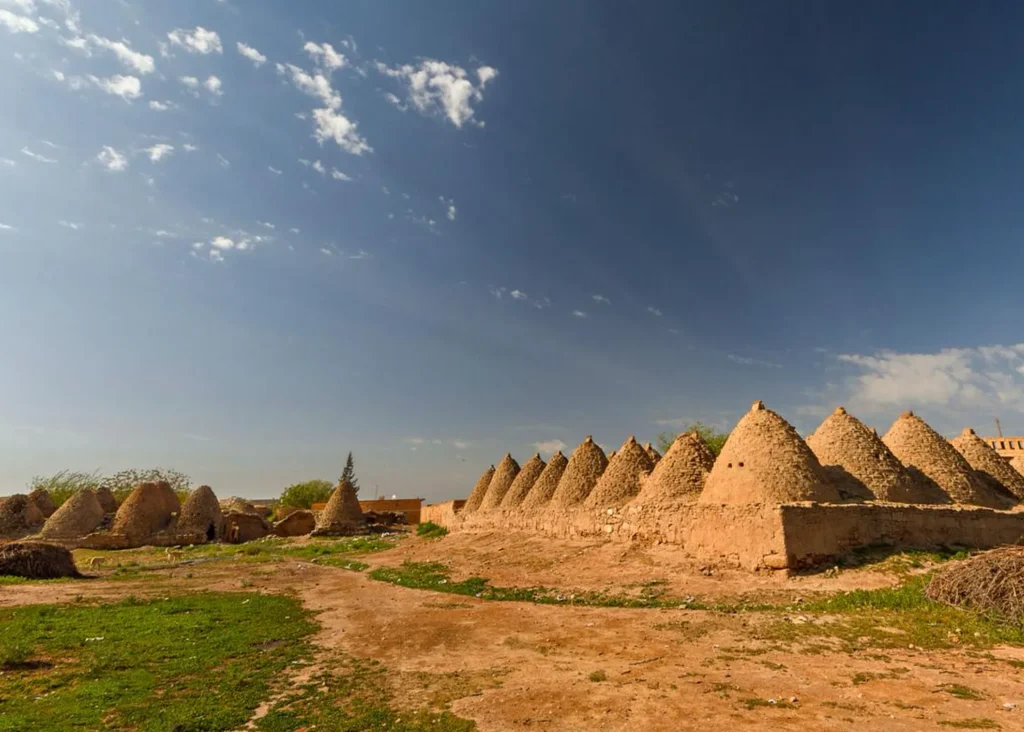
Abraham’s family settled in Haran, an important commercial center in northern Mesopotamia, a region influenced by several cultures, including the Hurrians. Later Hurrian-influenced documents from Nuzi record legal arrangements involving sisterhood, offering a possible cultural comparison with Abraham’s description of Sarah as his sister, although a direct connection remains uncertain.
Into this world came the command Lech Lecha—go forth.
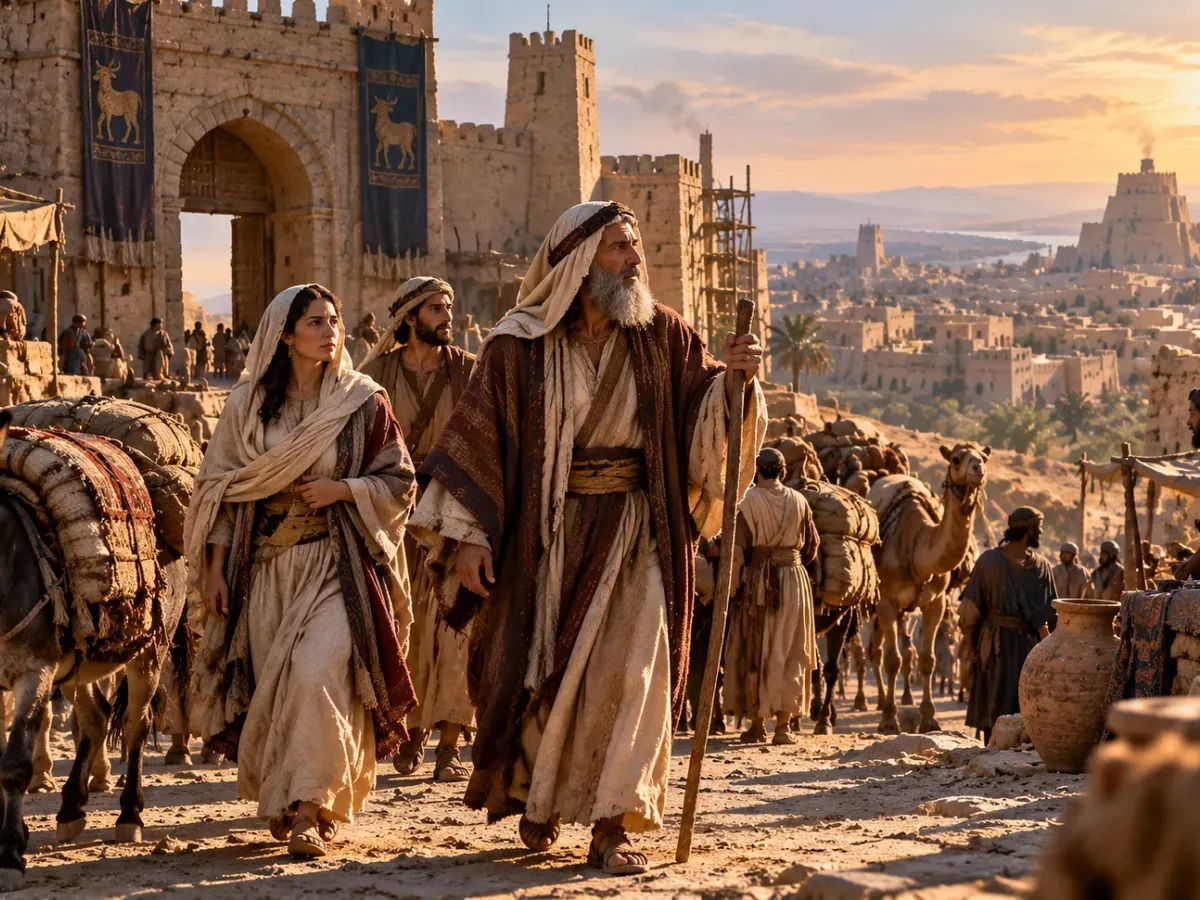
God instructed Abraham to leave his country, kindred, and father’s household for a land He would show him. At seventy-five years of age, Abraham departed Haran with Sarah, Lot, and their possessions. He was leaving the familiar structures of his world to become the foundation of a new covenantal household.
God promised to make him a great nation, bless him, and make his name great. At Babel, humanity attempted to make a name for itself. Abraham, on the other hand, received the promise of a great name from God. Babel sought to establish a sacred center through human ambition, while Abraham traveled through the land building altars and calling upon the name of YHWH.
The promise extended far beyond Abraham: “In you all the families of the earth shall be blessed” (Genesis 12:3).
God’s election of Abraham was the means by which blessing would eventually return to the nations.
The Seed That Could Not Be Counted
As Abraham traveled through Canaan, God revealed the dimensions of His covenant. The land would belong to his descendants, who would become more numerous than Abraham could imagine.
In Genesis 15, God directed Abraham’s attention toward the heavens. Could he count the stars? So would his descendants be.
Later, following the binding of Isaac on Mount Moriah, the promise was repeated. Abraham’s seed would multiply like the stars of heaven and the sand upon the seashore. Through that seed, all the nations of the earth would be blessed (Genesis 22:17–18).
But how would Abraham’s descendants become the means through which the nations received their promised blessing?
Yeshua and the Great Reversal
Matthew opens his Gospel by identifying Yeshua as the son of David and the son of Abraham. Before describing His ministry, Matthew establishes His place within the Abrahamic covenant.
During His earthly ministry, Yeshua initially directed His disciples toward the lost sheep of Israel. Yet Matthew also records the arrival of the Magi from the east and identifies the region of Yeshua’s ministry as “Galilee of the nations.” The wider world was already in view.
Following His resurrection, the eleven disciples traveled to a mountain in Galilee, where Yeshua had appointed them to meet Him. Matthew does not specifically identify the mountain, but the setting is clearly significant.
Now, standing upon a mountain in Galilee, the risen Messiah declared that all authority in heaven and on earth had been given to Him. He commissioned His disciples to make disciples of all nations, baptizing them and teaching them to observe His commandments (Matthew 28:18–20).
Here is the great theological reversal.
Abraham had been called out of the nations into the land. Yeshua now sent His disciples from the land into all the nations. Abraham was promised that his seed would bring blessing to the families of the earth. Yeshua, the promised Seed, commissioned His followers to carry that blessing throughout the world.
The direction may have changed, but the covenantal purpose remained the same.
Paul recognized this—in Galatians 3, he identifies Messiah as Abraham’s promised Seed and declares that those who belong to Messiah are Abraham’s seed and heirs according to the promise. The nations are invited to share in the covenantal blessing through Israel’s Messiah.
The Household and the Divine Presence
The restoration of the “nations” involves more than geography. It concerns their relationship with God and their place within His household.
In Ephesians 2, Paul declares that those once considered strangers and foreigners have become fellow citizens with the saints and members of God’s household. He describes this household as a holy Temple, built together into a dwelling place of God through the Spirit.
This brings us back to Babel. Humanity had attempted to establish its own meeting place between heaven and earth. Through Abraham, God began forming a covenant people among whom He would dwell. Through Messiah, people from the nations are brought into that dwelling.
Matthew’s Gospel begins with the announcement of Immanuel, “God with us.” It ends with Yeshua’s promise to remain with His disciples always, even to the end of the age. God’s Presence would accompany them into the nations.
From the Nations to the Throne
Revelation 7 brings the promise made to Abraham into focus. John sees a multitude that no one can count, gathered from every nation, tribe, people, and language, standing before the throne and the Lamb. Abraham’s descendants would be as numerous as the stars of heaven and the sand upon the seashore. Now an innumerable multitude stands before the heavenly throne.
The nations scattered at Babel are represented together in worship. Their languages and identities remain, but they are united in allegiance to the Lamb.
Revelation 21–22 completes the picture. God’s dwelling is with humanity, the nations receive healing, the Tree of Life appears again, and the curse is removed. The restoration reaches beyond Abraham to the original creation.
Abraham was called from among the nations to establish the covenantal family through whom blessing would come. Yeshua, Abraham’s promised Seed, sends His disciples back into the nations to gather people into God’s household.
What began with Lech Lecha, one man’s journey into an unknown land, becomes a worldwide invitation to enter the covenantal household and dwell in the Presence of the King.
Leave a Reply