

Rosh HaShanah and the Breath that Built the World
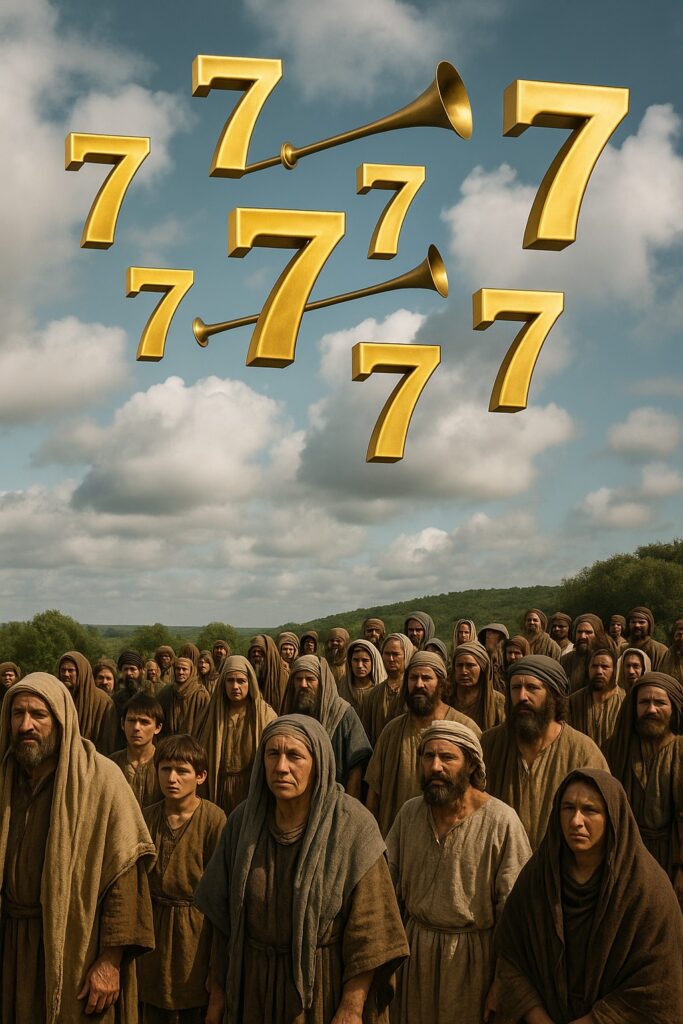
Genesis does not open with a clash of gods or the chaos of ancient war stories. It opens with breath. Seven Hebrew words—like seven exhalations—form the opening sentence of Scripture. In the beginning God created the heavens and the earth. In those seven words/seven breaths, heaven and earth are bound together, creation takes shape, and covenant begins. Sound becomes architecture for the new world. Creation, in the biblical imagination, is born not from conquest, but from divine life shared.
Ancient Patterns are Elevated
The world of the ancient Near East told a different origin story. Babylon’s creation epic imagines Marduk splitting the chaos goddess in two to build his world from her corpse. Order came from violence; mastery meant bloodshed.
Genesis, though, answers with a reversal. Yahweh does not conquer anything. He speaks. His breath moves across the deep like a mother bird hovering over her nest. Light expands, seas retreat, land rises up, and life comes forth from His voice. Battle is not the creative power here. Sound is the structure of the cosmos.
Jewish tradition says that words are breath, and the signature of life. When God forms Adam and then exhales into his nostrils, the Bible is describing more than mystical imagery—this is enthronement language. In a world where breath meant the royal right to rule, as in Egypt, Genesis offers a radical claim: God shares His own breath with humanity. Kingship is bestowed on the one chosen for this task.
Creation, Covenant, and Kingship
The patterns are found in Egypt, Mesopotamia, and beyond. Priests in Egypt tried to awaken statues and royal bodies through these rituals. The god Ptah touches Pharaoh’s lips with the ankh to transfer divine life and authority. Breath meant giving legitimacy. Breath was what made kings and gave them their authority.
But Genesis takes that familiar ancient symbol and turns it on its head. God breathes on Adam. Humanity becomes His image, His agent, His royal priesthood. The breath in Adam’s lungs is the same breath that called light into being. How profound! God sharing His own life-force with His image bearers.
The pattern repeats. At Sinai, the same breath shakes the mountain. Fire, thunder, trembling ground, and the shofar blast all radiate from the presence of God. His Spirit hovers again—not over waters, but over a people being shaped into a nation—a new creation nation. Collectively, Israel becomes a new humanity: Spirit, sound, covenant. They are not given tablets alone, but something even more compelling— divine encounter.
And, again in exile, Ezekiel hears the call: “Come from the four winds, O breath, and breathe into these slain, that they may live.” The dry bones rattle, reconnect, stand, and finally inhale. Breath rebuilds a nation just as it once built the world. The nation is resurrected and returning to the land it was exiled from—a picture of the restoration of Adam and Eve returning to the garden.
In the New Testament, the arc reaches its high point. After resurrection, Yeshua breathes on His disciples: “Receive the Holy Spirit.” Messiah breathing life into His new creation—into a new humanity once again. It is Genesis One all over. Breath restores authority, it commissions the mission, and it places the divine presence inside ordinary people.
The Shofar: Breath is Remembered
This is what Rosh Hashanah and the coronation ritual looks like. The shofar is air forced through the horn of a ram—a living echo of the divine released on creation’s first day. Its blasts remember:
- hovering over the waters,
- filling Adam,
- trembling breath at Sinai,
- reviving dry bones,
- Messiah imparting to His own.
It is breath returning to God in worship through His people. It is the memory of creation carried by the Spirit from the four winds of heaven.
When the shofar sounds on Rosh Hashanah, this is not just a ritual. God’s people are bearing witness to the true source of life and authority—the One who forms without violence, enthrones without domination, and shares breath rather than demands it. In a world that still tries to build empires through force, Scripture insists on another kingdom: one born from the Voice of God.
So, when the deep cry of the shofar blasts, go back to Genesis. To the hovering Spirit of God over the waters of chaos. To the divine speech that animates dust, shapes nations, restores exiles, and fills disciples. To the God whose breath continues creating and remaking our world in His image.
Rosh Hashanah is meant to serve as the memory of creation and the promise of renewal. It is the day when the Voice becomes a proclamation and humanity is reminded who shares their lungs. And the Voice that spoke the cosmos into being still speaks to us now.
Leave a Reply